Rooflights and Skylights: What's the Difference and Which Is Right for You?
When evaluating natural lighting solutions for a space, the selection between rooflights and skylights can be important. Each option delivers unique benefits and characteristics tailored to different needs. Rooflights are known for their sleek design and energy efficiency, while skylights often add visual appeal to residential spaces. Understanding these variations is essential for making an informed decision. What factors should one assess to determine the best fit for their property?
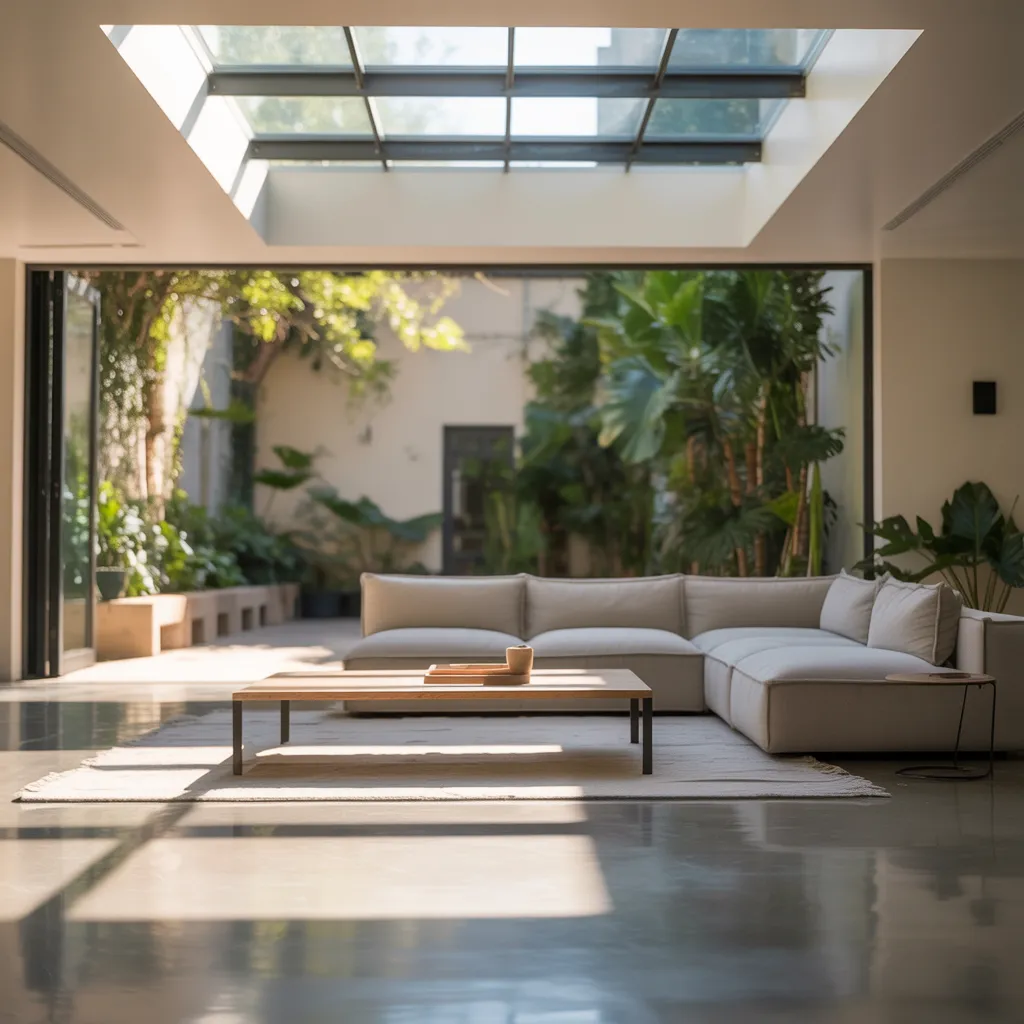
Learning About Rooflights: Benefits and Features
Skylights, commonly viewed as sophisticated options for improving natural light in indoor areas, present numerous features and benefits that enhance both artistic charm and functional efficiency. These fixtures can dramatically transform a room, establishing an airy and open atmosphere while minimizing need for artificial lighting. By permitting sunlight to reach throughout the building, rooflights can improve productivity and mood among residents.
In addition to their aesthetic appeal, rooflights can enhance energy efficiency. Properly designed rooflights can minimize heat loss and gain, helping to regulate indoor temperatures. They also encourage ventilation, which can boost air quality and minimize moisture buildup.
Moreover, rooflights are offered in various shapes and sizes, making them multifunctional additions to any architectural style. Their potential to blend seamlessly with various designs allows homeowners and builders to add natural light into their spaces without reducing on aesthetics or functionality.

Investigating Skylights: Primary Characteristics
Skylights function as practical openings in a building's roof that permit natural light to flood interior spaces, similar to rooflights but with distinct characteristics. Generally, skylights are positioned at a slope, permitting rainwater to drain, which helps avoid leaks. They are frequently constructed from materials such as glass or acrylic, delivering excellent light transmission while minimizing UV exposure. Skylights are available in various shapes and sizes, including fixed, vented, or tubular options, catering to various aesthetic and functional needs.
A further remarkable aspect is their capability to boost ventilation when engineered to open, fostering air circulation and minimizing indoor humidity. They can generate a sense of openness and connection to the outdoors, rendering them a preferred selection in residential and commercial uses. Ultimately, their design and installation can greatly impact energy efficiency and comfort within a building, highlighting their importance in architectural planning.
Comparing Rooflights and Skylights
When evaluating rooflights and skylights, notable variations in design and functionality can be observed. Rooflights are typically flat and created to offer natural light while retaining a low profile on the roof. They are often used in commercial settings and can be incorporated smoothly into the roof design. In contrast, skylights are typically domed or sloped, enabling better water drainage and a more traditional aesthetic. These structures are often found in residential buildings and can be positioned in various shapes and sizes.
From a functional standpoint, rooflights generally offer a sleeker appearance and can be more energy-efficient due to their design. Skylights, on the other hand, often provide a larger amount of natural light and can boost the visual appeal of a space. Finally, the choice between rooflights and skylights is determined by individual preferences, architectural style, and specific lighting specifications.
Benefits of Setting Up Rooflights
Installing rooflights offers significant benefits, chiefly by delivering increased natural illumination into spaces. This rise in daylight exposure can result in better energy effectiveness, as it reduces the reliance on artificial lighting during the day. Therefore, homeowners may enjoy lower energy bills while relishing a more radiant and attractive setting.
Improved Genuine Light
Natural light serves a vital function in improving the ambiance and functionality of interior spaces, and rooflights serve as an effective solution for maximizing this benefit. By enabling sunlight to penetrate deeper into living and working areas, rooflights create a more radiant and attractive atmosphere. This influx of natural light not only elevates mood but also improves productivity and well-being. Additionally, rooflights can lessen the reliance on artificial lighting during daylight hours, contributing to a more pleasant environment. The design and placement of rooflights can also highlight architectural features and create visual interest, further elevating the overall aesthetic. Finally, the installation of rooflights transforms spaces, making them more dynamic and pleasant for occupants.
Improved Energy Effectiveness
Enhancing natural light through rooflights not only elevates the aesthetic appeal of a space but also adds substantially to energy efficiency. By enabling sunlight to flood interiors, rooflights decrease the reliance on artificial lighting, resulting in lower electricity consumption. This natural illumination can significantly cut energy bills, particularly in commercial buildings where lighting comprises a considerable portion of energy use. Additionally, modern rooflight designs often include energy-efficient glazing begin now that lessens heat loss and prevents overheating, maintaining a comfortable indoor climate year-round. These features can also help in achieving sustainability certifications, making rooflights an environmentally friendly choice. Overall, the installation of rooflights functions as a strategic investment in both the aesthetic and functional aspects of energy efficiency within a building.
Perks of Opting for Skylights
Skylights offer numerous advantages that can greatly enhance a space. They allow for increased natural light, which not only brightens interiors but also leads to improved energy efficiency. Additionally, skylights can boost the aesthetic appeal of a home, creating a more inviting atmosphere.
Boosted Natural Light
Though several homeowners desire to upgrade their living spaces, selecting skylights presents an exceptional way to bathe interiors with natural light. These architectural elements let sunlight to pour in from above, creating a pleasant and inviting atmosphere. By strategically positioning skylights in key areas, homeowners can illuminate dark corners and make spaces appear larger and more open. The natural light provided by skylights can also enhance mood and productivity, making them an ideal choice for home offices or creative spaces. Furthermore, the harmonious fusion of indoor and outdoor environments fosters a sense of connection with nature. Finally, skylights serve not only as aesthetic upgrades but also elevate the overall living experience by maximizing natural illumination.
Better Energy Performance
When evaluating energy efficiency in home design, skylights can play a vital role in minimizing reliance on artificial lighting and cutting energy costs. By permitting natural sunlight to penetrate deeper into living spaces, skylights can substantially diminish the need for electric lighting during daylight hours. This reduction in energy consumption not only results in lower utility bills but also encourages a more sustainable lifestyle. In addition, modern skylights are often fitted with energy-efficient glazing options that help regulate indoor temperatures, decreasing the need for heating and cooling. By harnessing the sun's energy, homeowners can improve overall energy efficiency while benefiting from the advantages of natural light. Including skylights into home design ultimately fosters a greener, more cost-effective living environment.
Visual Aesthetic Charm
Adding skylights into home design not only improves natural lighting but also greatly elevates the aesthetic appeal of a space. Their sleek, modern appearance brings a sense of openness, creating a seamless connection between the indoors and the outdoors. Skylights feature various styles and sizes, enabling homeowners to customize their look to complement existing architecture. This versatility can convert a dull room into a inviting, vibrant environment, making it feel more spacious and more welcoming. The interplay of light and shadows from skylights provides depth and dimension to interiors, improving visual interest. Moreover, their ability to frame views of the sky or treetops brings an artistic element, making skylights a desirable feature for those seeking to elevate their home's overall design.
Choosing the Best Option for Your Space
How does one determine the best choice between rooflights and skylights for their space? To make an informed decision, it's essential to evaluate several factors, including the room's purpose, architecture, and desired natural light. Rooflights, usually installed flat against the roof, are ideal for maximizing daylight in spaces with limited vertical height or sloping ceilings. They offer a minimalist look and can be more energy-efficient. On the other hand, skylights, often pitched or domed, can create a more dramatic effect and enhance ventilation, making them ideal for larger areas like living rooms or kitchens.
Moreover, one should consider the local climate, as different designs may function better in different weather conditions. Maintenance requirements and potential leaks also play vital roles in the decision-making process. By evaluating these aspects, one can pick between rooflights and skylights that best fit their functional needs and aesthetic preferences, ultimately enhancing their living environment.
FAQ
Is It Possible for Rooflights and Skylights to Be Fitted in Any Type of Roof?
Roof windows and skylights can be set up in numerous roof types, but suitability relies on structural integrity, pitch, and material. Consulting a professional secures proper installation and enhances functionality while upholding the roof's integrity.
Are Rooflights and Skylights Considered Energy-Efficient Home Options?
Roof windows and skylights can be energy-efficient choices for homes. They increase natural lighting, possibly lowering reliance on artificial lighting sources, and can be installed with energy-saving features such as double glazing and low-emissivity coatings to boost insulation.
What Is the Best Way to Maintain Rooflights and Skylights?
Caring for skylights and rooflights requires regular cleaning, examining seals for leaks, checking for cracks, and maintaining proper drainage. Scheduled inspections can prevent larger issues, improving durability and functionality in delivering natural light and ventilation.
What Are the Costs Associated With Rooflight and Skylight Installation?
The costs associated with rooflight and skylight installation typically fall between $500 to $2,500, depending on factors such as size, labor, materials, and the complexity of the installation. Extra costs may involve permits and possible structural modifications.
Can Rooflights and Skylights Be Customized for Special Spaces?
Yes, both rooflights and skylights can be personalized to fit specific spaces. Manufacturers typically offer multiple sizes, shapes, and materials, allowing for tailored installations that enhance appearance and functionality in residential and commercial environments.